Ferrous Scrap Processing for Quality Differentiation
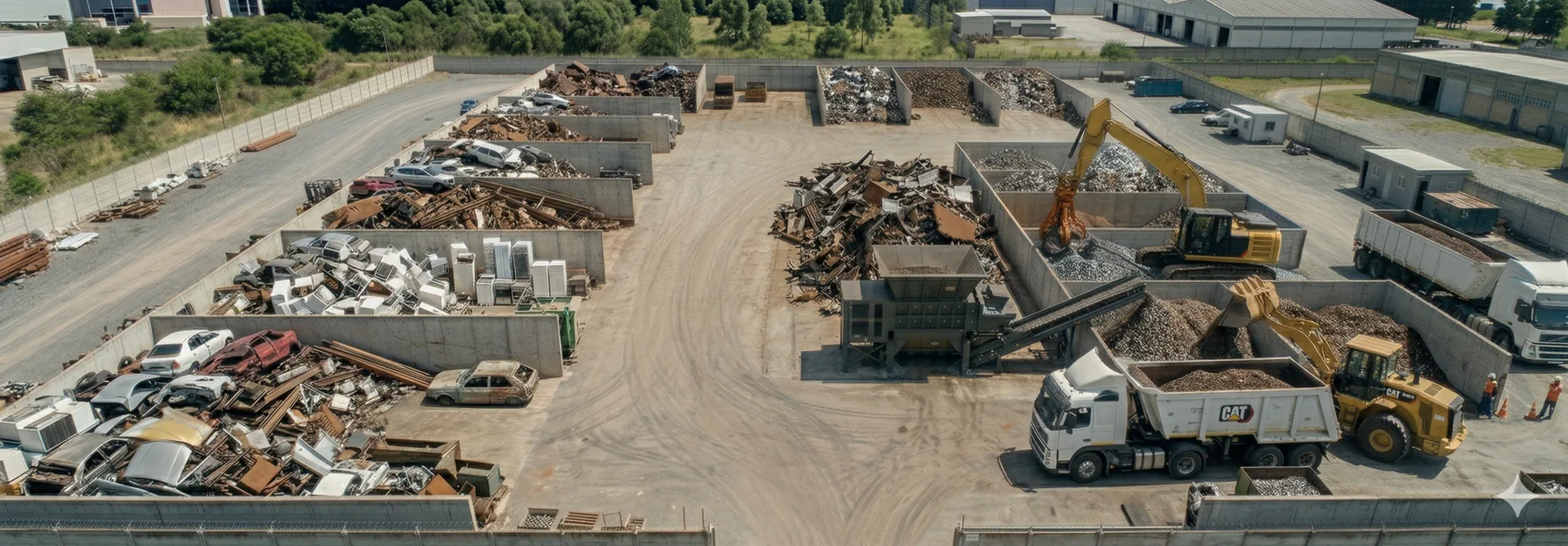
The Brazilian ferrous scrap market moves approximately 8 million tons per year. Most is traded as mixed scrap with 90-95% purity — a tight-margin commodity.
Precision foundries and steelmakers with electric arc furnaces pay 20-30% more for clean, classified scrap with purity above 98%. High-purity scrap reduces melting losses, decreases slag and eliminates contaminants (copper, tin, zinc) that permanently compromise steel quality.
The opportunity lies in transforming mixed scrap into premium scrap through controlled shredding, particle size classification and magnetic refining.
5-Step Process
1. Reception and Sorting
Scrap from various sources (industries, demolition companies, scrap yards) goes through manual sorting for removal of non-processable materials and separation of high-value non-ferrous metals (copper, aluminum, brass).
2. Primary Shredding — D Line
Large scrap (appliance carcasses, structural steel, automotive scrap, drums) homogenized to 50-100 mm with up to 70% volume reduction.
Low-rotation shredding (20-40 RPM) standardizes size, liberates contaminants (plastics, rubber, wood) trapped in metal parts and minimizes fines. High-rotation shredders (hammermills) generate 30-40% fines; the D Line generates less than 10%.
Purity after this stage: 90-95%.
3. Particle Size Classification — Disc Classifier
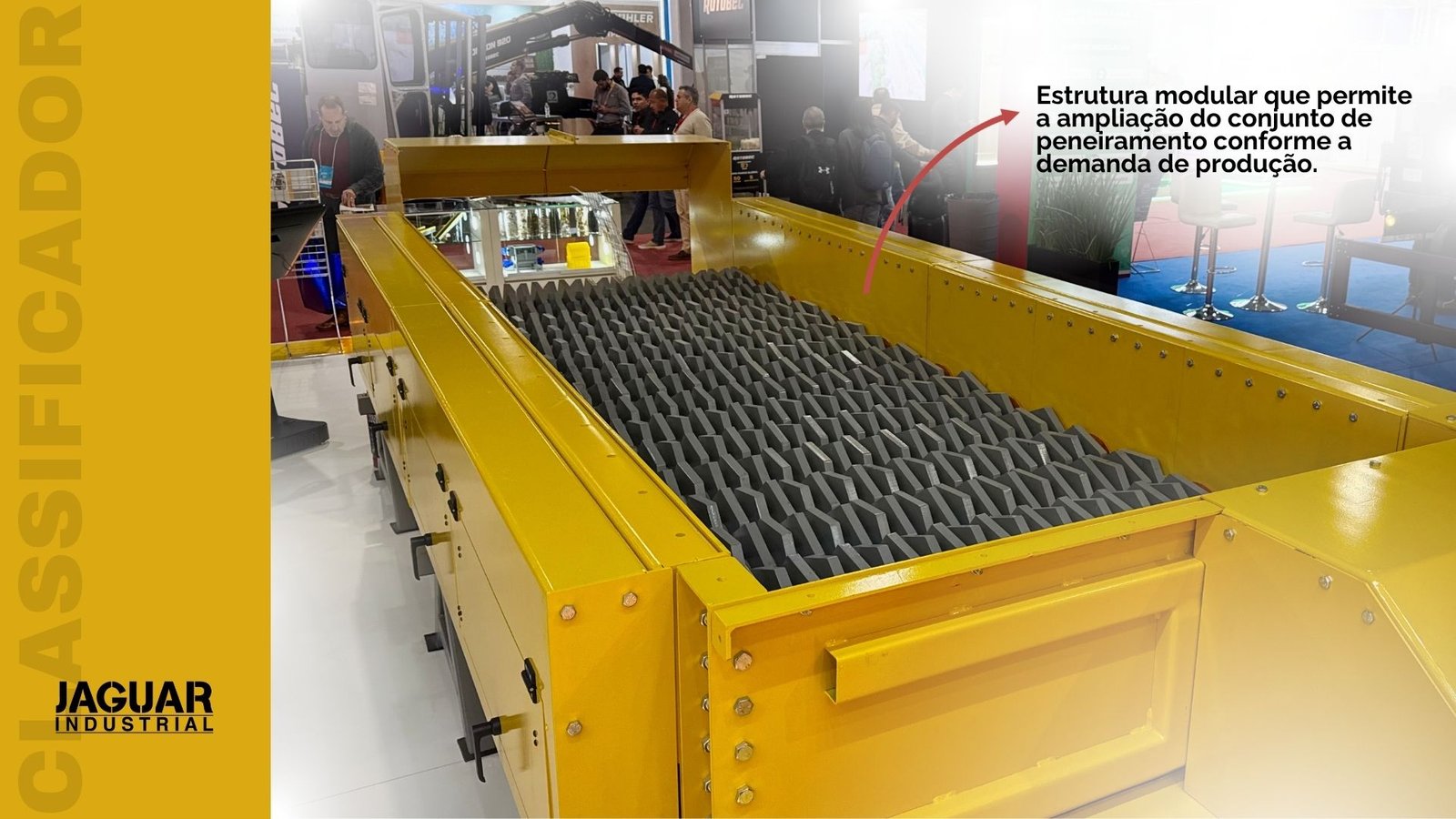
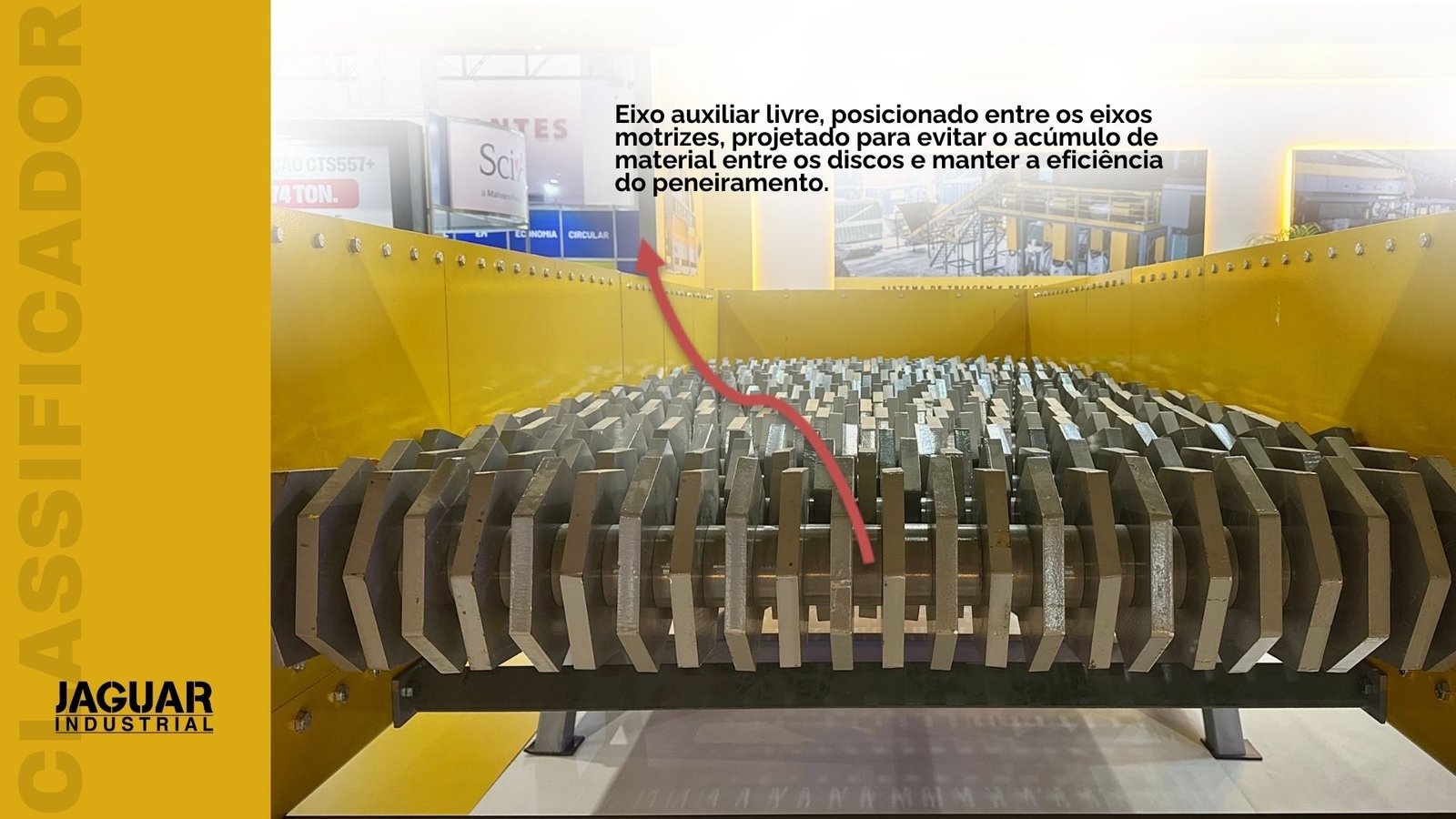
Rotating discs with adjustable spacing (20-80 mm) retain metal scrap at the upper exit while plastics, rubber, paper and glass fall between discs. Recovered contaminants can be sold for recycling or energy recovery.
Purity after this stage: 96-98%.
4. Magnetic Refining
High-intensity permanent magnet separators remove residual non-ferrous contaminants (copper, aluminum, zinc, brass, bronze, stainless steel). Multi-stage configuration (medium intensity first pass, high on second).
The non-ferrous fraction has high value: copper is worth 15-20x more than ferrous scrap, aluminum 8-10x, brass 10-12x. Typical recovery of 20-40 kg of non-ferrous per processed ton.
Purity after this stage: > 98%.
5. Analysis, Certification and Commercialization
Samples analyzed by X-ray fluorescence spectrometry (XRF). Quality certificates accompany each lot. Premium scrap pressed into bales and sold to foundries and steelmakers.
Quality and Price
Electric arc furnace (EAF) steelmakers use scrap as 70-100% of their metallic charge. Precision foundries require purity above 98% because metallic contaminants (copper, tin) cannot be removed during melting.
The price differential between mixed scrap (95%) and premium (>98%) is justified by: less slag (higher metallic yield per heat), lower energy and correction additive consumption, and superior final product quality.
Equipment for Ferrous Scrap
Dual-Shaft Shredder — D Line (D690 and above)
| Feature | D690 |
|---|---|
| Power | 2x 200 hp (400 hp total) |
| Cutting chamber | 1,392 x 1,905 mm |
| Rotation | 20-40 RPM |
| Rotor diameter | 690 mm |
| Blade width | 50-100 mm |
| Weight | 21,100 kg |
Hexagonal shafts with 4 bearings per shaft. Blades with replaceable inserts — 500-1,000 h lifespan on ferrous scrap. Triple sealing system against metal dust. PLC with automatic reverse.
Disc Classifier — CDD Series
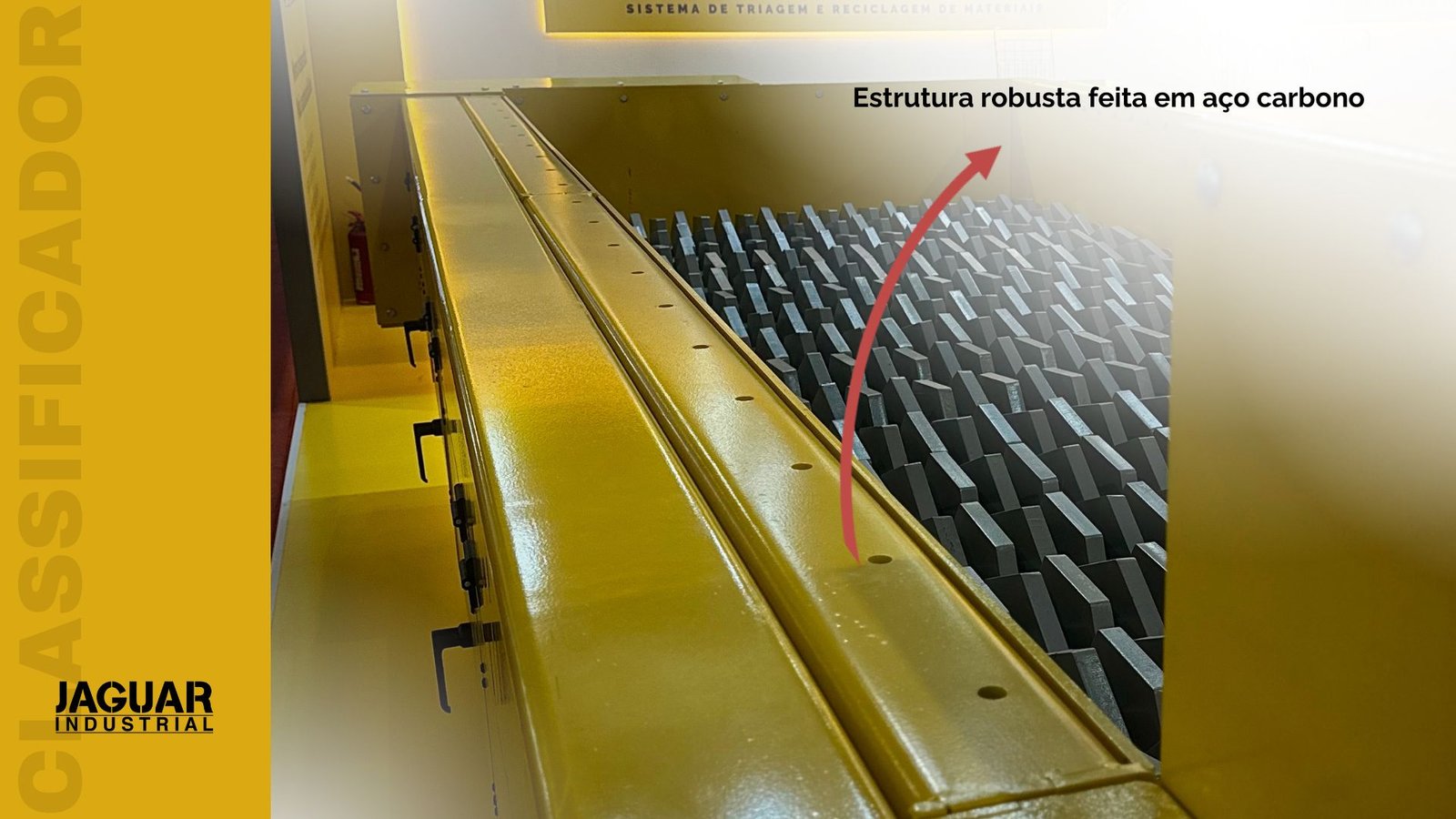
1.5 m width, 2 m modules (2 to 8 m length configurations). Adjustable disc spacing from 20 to 200 mm. Power 10 to 20 hp. Typical capacity 5-15 ton/h for shredded ferrous scrap.
Magnetic Separators
Suspended electromagnets (overband), magnetic drums and magnetic pulleys with high-intensity permanent magnets. Multi-stage configuration based on composition and target purity.
Expected Results
| Indicator | Before (mixed scrap) | After (processed) |
|---|---|---|
| Purity | 90-95% | > 98% |
| Value increase over base price | — | +20-30% |
| Fines generation (< 10 mm) | 30-40% (hammermill) | < 10% (D Line) |
| Non-ferrous revenue | Lost in the mix | 20-40 kg/ton recovered |
| Light contaminants | Mixed into lot | Separated and sellable |
| Quality certification | Non-existent | Per lot, with XRF analysis |
Operator Profile
- Medium recyclers (1,000-3,000 ton/month) selling mixed scrap who want to serve foundries and steelmakers with quality requirements.
- Demolition companies and automotive scrap processors with heterogeneous material.
- Companies serving the export market with international specifications (ISRI standards).
- Foundries and steelmakers with in-house processing internalizing beneficiation to reduce refining costs.