RDF Production for Co-Processing
RDF is a solid fuel processed from waste not recovered for material recycling — contaminated plastics, soiled paper, textiles, wood, rubber. It goes through sorting, inert removal, shredding and homogenization. Raw MSW has an NCV of 8-12 MJ/kg and 40-50% moisture; processed RDF achieves 15-25 MJ/kg with moisture < 25%.
The main market is co-processing in cement kilns — temperatures above 1,450°C ensure complete destruction and ash incorporation into clinker. The Cement Technology Roadmap (SNIC/ABCP, 2019) projects 35% thermal substitution by 2030 and 55% by 2050. Currently, 26% of the cement industry energy matrix uses alternative fuels.
NBR 16849:2020 classifies RDF and establishes specifications for NCV, chlorine, mercury, moisture and ash.
NBR 16849:2020 Specifications
Classes by calorific value:
| Class | GCV (MJ/kg) | Typical profile |
|---|---|---|
| P1 | >= 25 | Selected industrial waste |
| P2 | 20-25 | Post-industrial waste |
| P3 | 15-20 | Processed MSW with sorting |
Critical parameters:
| Parameter | Limit | Relevance |
|---|---|---|
| Chlorine | <= 0.9% (dry basis) | Pre-heater fouling. RDF < 0.6% is premium. |
| Mercury | <= 0.5 mg/kg | Volatile heavy metal, emission control |
| Moisture | <= 25% | Reduces NCV and increases transport cost |
| Ash | <= 30% (dry basis) | Incorporated into clinker |
Production Process
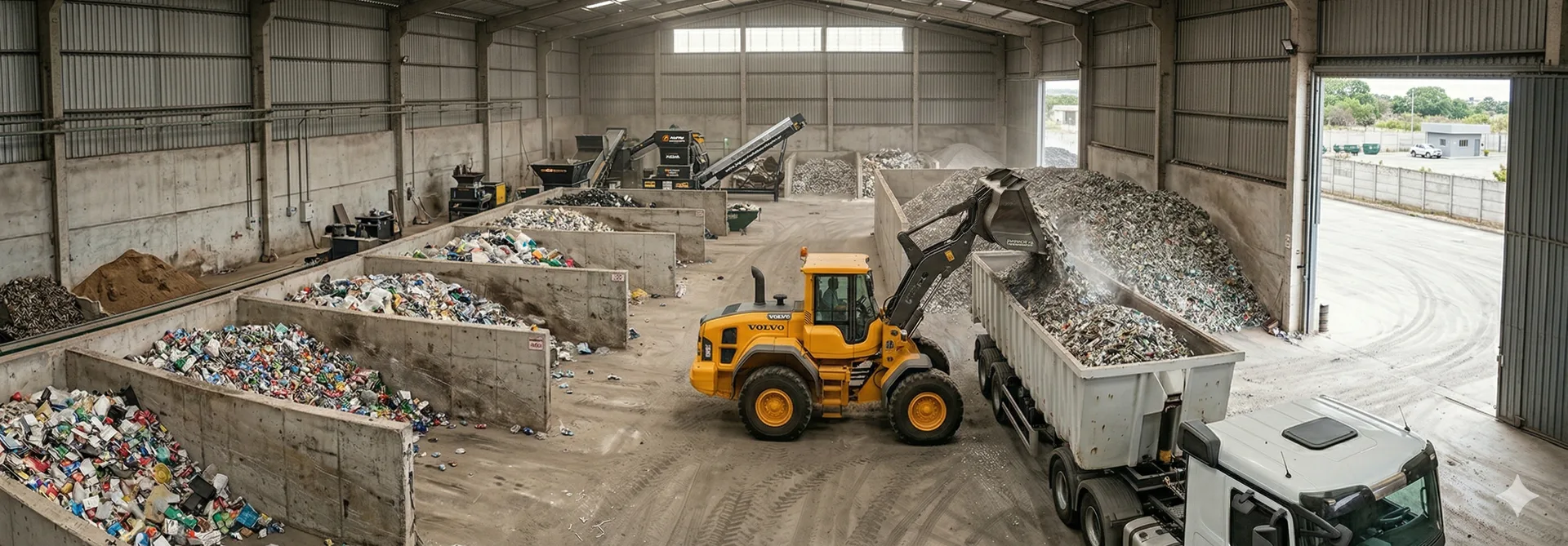
- Reception and pre-sorting — Removal of bulky, hazardous or incompatible materials (batteries, lamps, Class I waste).
- Pre-shredding — PR Series — Bulky waste (mattresses, furniture, large plastics) reduced to 150-300 mm. PR4000 (200 hp, 15-20 ton/h) or PR5000 (250 hp, 20-25 ton/h).
- Inert and metal separation — Magnetic separators (ferrous), eddy current separators (non-ferrous), trommel screens or disc classifiers (glass, stones, inerts).
- Recyclable sorting (optional) — Manual Sorting Station (MSS) for PET, HDPE, clean cardboard recovery before final shredding. Additional revenue of 30-50%.
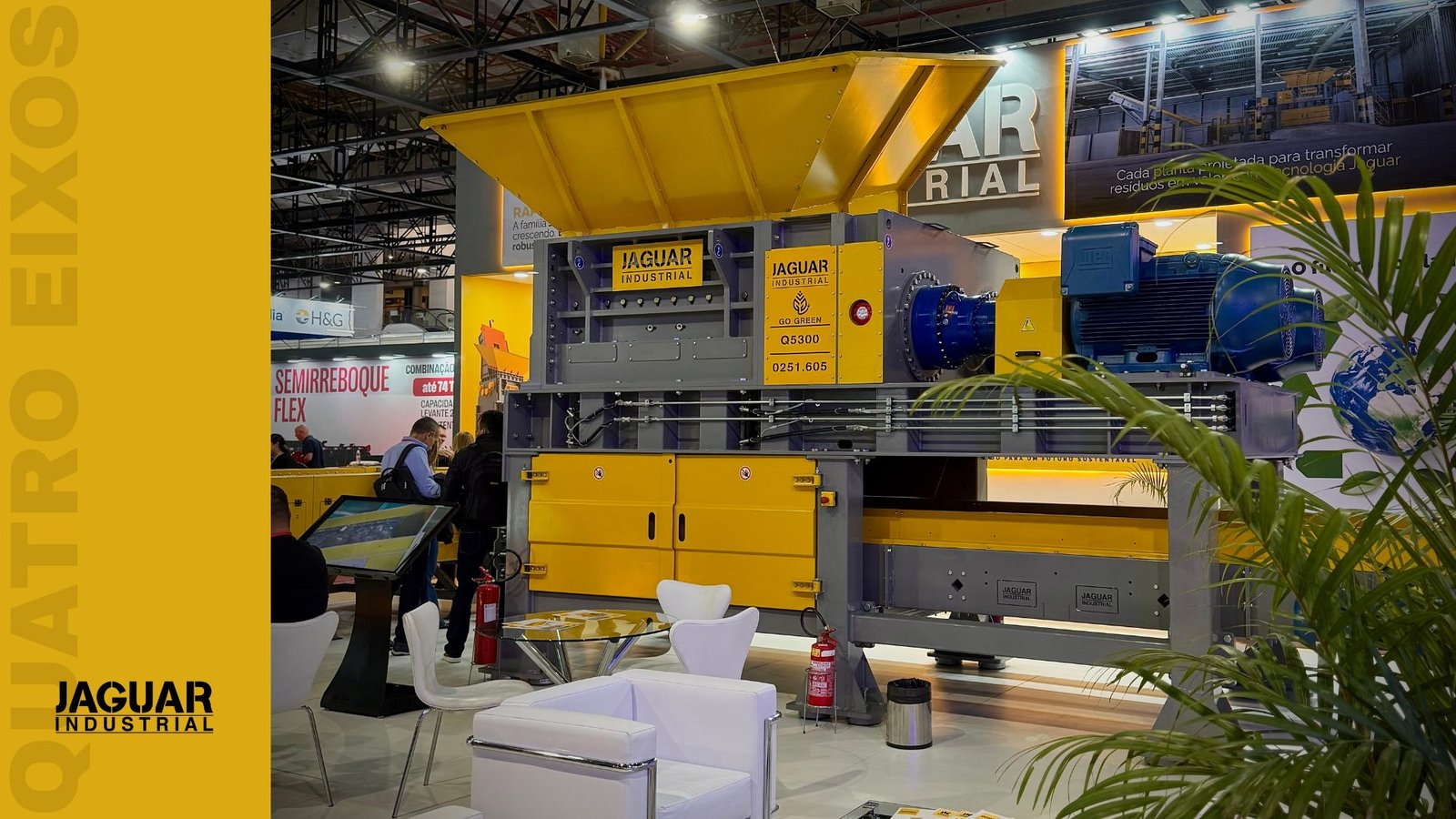
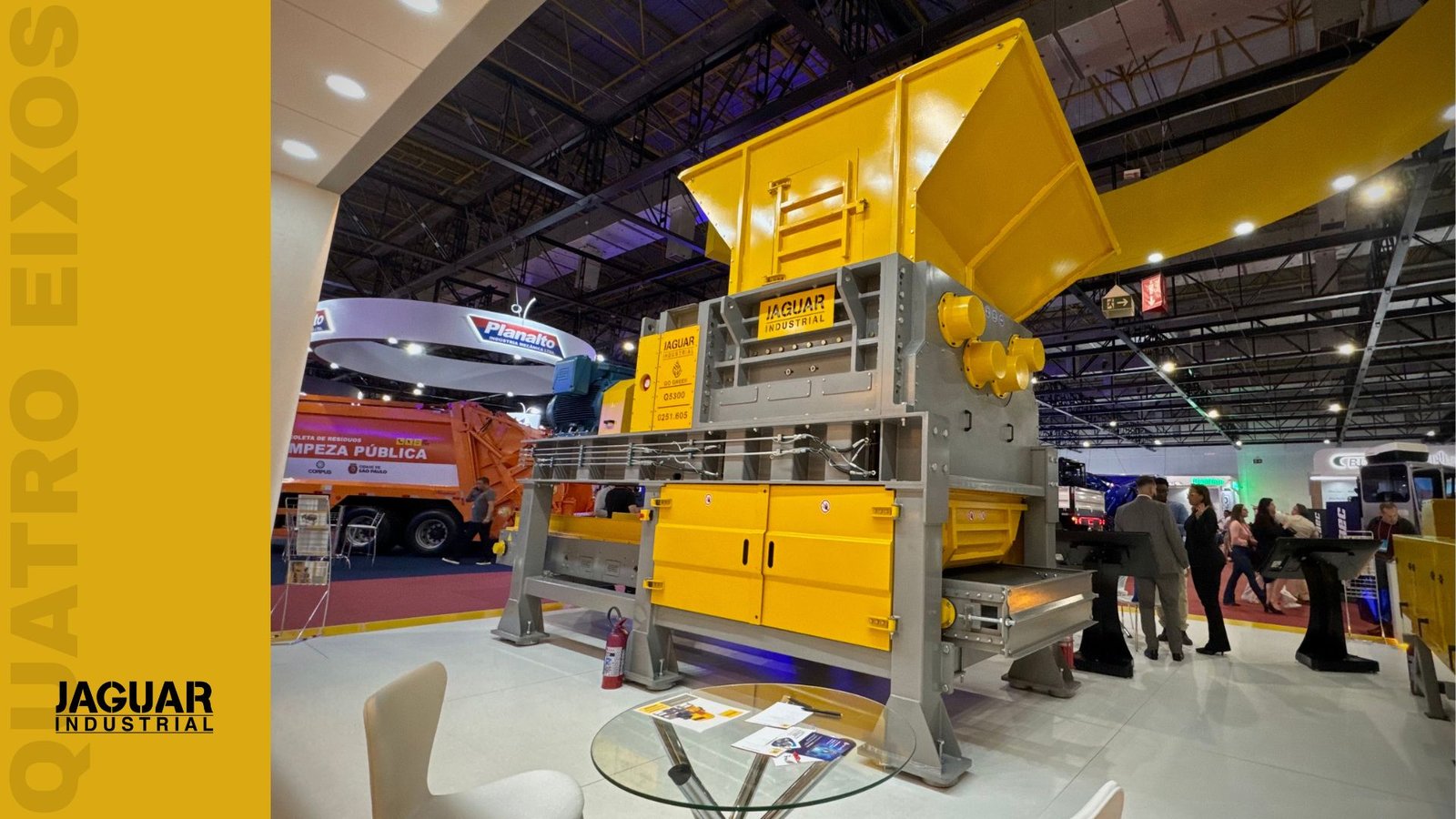
- Final shredding — Serie Q or RAPTOR — Uniform particle size per customer specification (typically 20-80 mm for cement kilns).
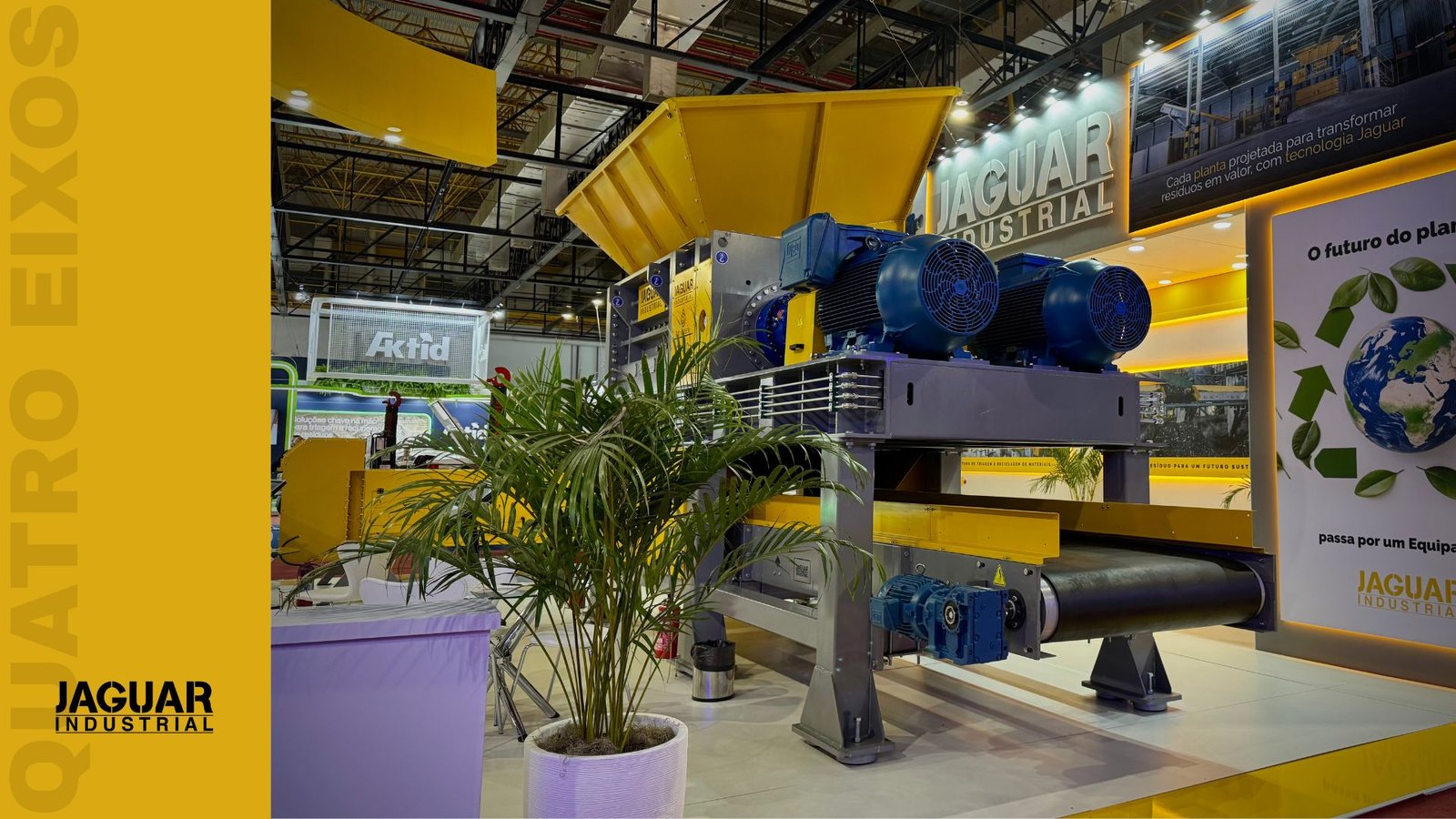
- Dense and contaminated waste: Serie Q (4-shaft) — shearing with internal classification screen, availability > 95%. Models Q1500 to Q3000, 75-400 hp, 3-8 ton/h.
- Light post-industrial waste: RAPTOR — uniform particle size in a single pass with integrated screen. RAPTOR 3000 S87, 250 hp, 5-8 ton/h.
- Quality control — Sampling and analysis per NBR 16849:2020. Storage in covered warehouse.
Technical Challenges
Chlorine control: PVC is the main source. Manual sorting (MSS) or NIR separation before shredding reduces chlorine from 1.2-1.5% to < 0.9%, increasing acceptance and price by 15-25%.
High moisture (MSW): Raw MSW has 40-50% moisture. Natural drying (3-7 days in ventilated warehouse) or prioritize post-industrial waste (natural moisture 5-15%).
Heterogeneity: Mixed waste jams simple equipment. Multiple separation stages before final shredding. Serie Q processes heterogeneous materials with availability > 95%.
Logistics: RDF has low density (200-400 kg/m3). Locate plant within 100-300 km of cement plants. Baling increases density to 600-800 kg/m3.
Equipment for RDF
| Stage | Equipment | Power | Capacity |
|---|---|---|---|
| Pre-shredding | PR4000 | 200 hp | 15-20 ton/h |
| Pre-shredding | PR5000 | 250 hp | 20-25 ton/h |
| Final shredding (dense) | Q1500 | 75-150 hp | 3-5 ton/h |
| Final shredding (dense) | Q2000 | 150-300 hp | 4-6 ton/h |
| Final shredding (dense) | Q3000 | 300-400 hp | 6-8 ton/h |
| Final shredding (light) | RAPTOR 3000 S87 | 250 hp | 5-8 ton/h |
| Manual sorting | MSS-6000/9000/12000 | — | 6-12 stations |
| Magnetic separation | Magnetic separators | — | Continuous |
| Classification | Trommel Screen | 10-40 kW | Up to 210 m3/h |
| Classification | Disc Classifier | 5-15 kW | 5-15 ton/h |
Operator Profile
- Landfill operators recovering value from waste before disposal, reducing landfilled volumes.
- Industrial waste management companies processing post-industrial rejects (plastics, paper, textiles) into Class P1/P2 RDF.
- Municipalities and consortia with landfills nearing capacity.
- Cooperatives incorporating RDF as a final stage after sorting.
Typical payback of 3-7 years for well-sized and located plants. [Validate]