
A yard with 800 truck tires stockpiled over six months. No disposal contract. Operating license about to expire. This scenario is more common than it seems at trucking companies, mining operations, and heavy fleets that generate waste tires outside the Reciclanip quota and need to handle disposal on their own, under risk of penalties from CONAMA 416/2009 (Brazil’s tire waste regulation) and fines of up to R$ 50 million (Brazilian Real) under Law 9,605/98. In this article, we will analyze how the tire chip value chain for co-processing in cement plants works, what the technical and regulatory requirements are to operate in this chain, and under what conditions disposal stops being a cost and starts generating revenue for the operation.
Tires as alternative fuel
Brazilian cement plants operate rotary kilns at temperatures between 1,400 and 1,500 degrees Celsius. The traditional fuel is petroleum coke, which is expensive and has a high carbon footprint. Tire chips, the result of controlled shredding of waste tires, compete directly with petroleum coke.
The numbers explain why. Calorific value of tire chips: 32 MJ/kg. Petroleum coke: 35 MJ/kg. The 8% difference does not justify the 3x higher cost of coke. Additionally, the steel present in the tire is incorporated into the clinker as raw material, replacing part of the iron ore that the cement plant would otherwise purchase separately. For the cement plant, tire chips are both fuel and feedstock at the same time.
This creates a direct economic chain. Whoever generates tires pays for disposal, or delivers them to a processor. The processor turns them into chips and sells to the cement plant. And whoever has sufficient volume and adequate equipment can operate on both sides: receiving tires and selling chips.
The National Program for Collection and Disposal of Waste Tires, operated by Reciclanip since 2007, organizes part of this logistics. But the program primarily serves the manufacturers’ legal quota. Generators outside this quota need their own solution, and that is where the economics start working differently.
What holds back most operations
It is not regulation. Environmental licenses for tire processing exist and can be obtained from CETESB (Sao Paulo state) or the equivalent agency in each state. What holds things back is the mechanical operation.
Producing chips within the specification that the cement plant contracts requires continuity. Radial truck tires contain between 15% and 25% steel by weight. This steel is in the beads (wire rings that secure the tire to the rim), the belts (steel strips under the tread), and the carcass. Steel does not break like rubber. It deforms, stretches, and wraps around the shredder rotor.
The correct processing chain follows these steps:
Whole tires enter pre-shredding with a 4-shaft shredder or D57, which produces chips of 50 to 150 mm. These chips pass through magnetic separation, which removes the steel. Secondary shredding reduces the material to 10 to 30 mm granulate when needed. Final classification with a trommel screen separates by particle size range according to the buyer’s specification.
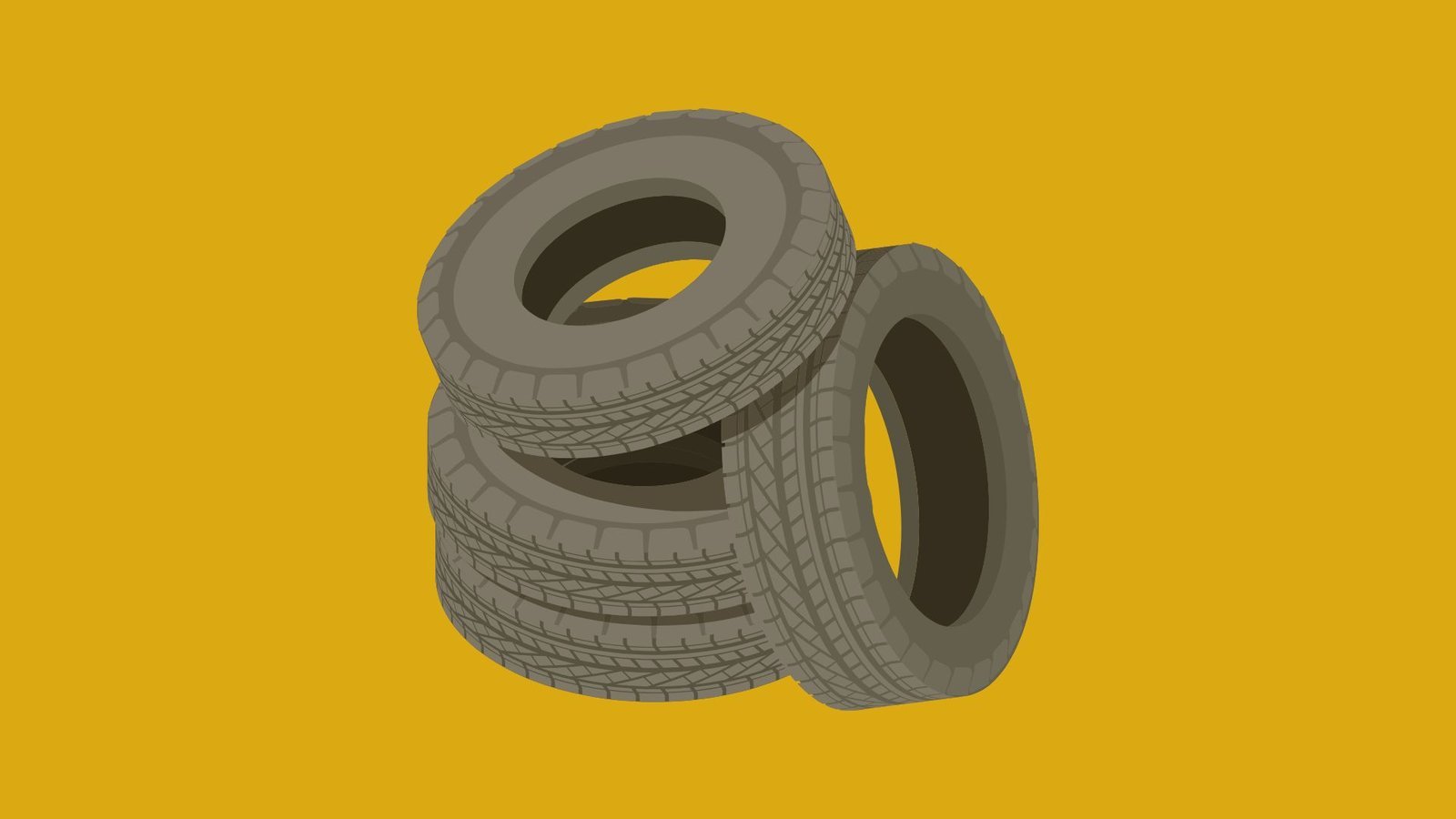
At each stage, steel can cause shutdowns. Inadequate shredders turn a profitable operation into a maintenance routine, rejected inventory, and terminated contracts. Operations that solve the technical steel problem secure stable contracts. Those that do not solve it are left staring at the pile with no next step.
How to assess whether disposal makes sense
The starting point is always the same: volume, specification, and feasibility.
First, the monthly volume of tires that the operation generates. A fleet of 200 trucks discards an average of 40 to 60 tires per month. Second, the chip specification that the nearest cement plant accepts (typically 50 mm maximum, with residual steel content below 5%). Third, whether it makes more sense to send tires to a licensed processor or invest in an in-house processing line.
For volumes above 500 tires per month, an in-house line starts to make economic sense. Below that, disposal through a licensed third party is usually more efficient.
Jaguar Industrial designs waste tire processing lines and performs this analysis at no cost for projects under evaluation.
Talk to engineering -> · WhatsApp ->
The waste tire is a regulatory problem with an expiration date. It is also a raw material with a defined buyer. The difference between the two lies in the equipment and the process between one end and the other.