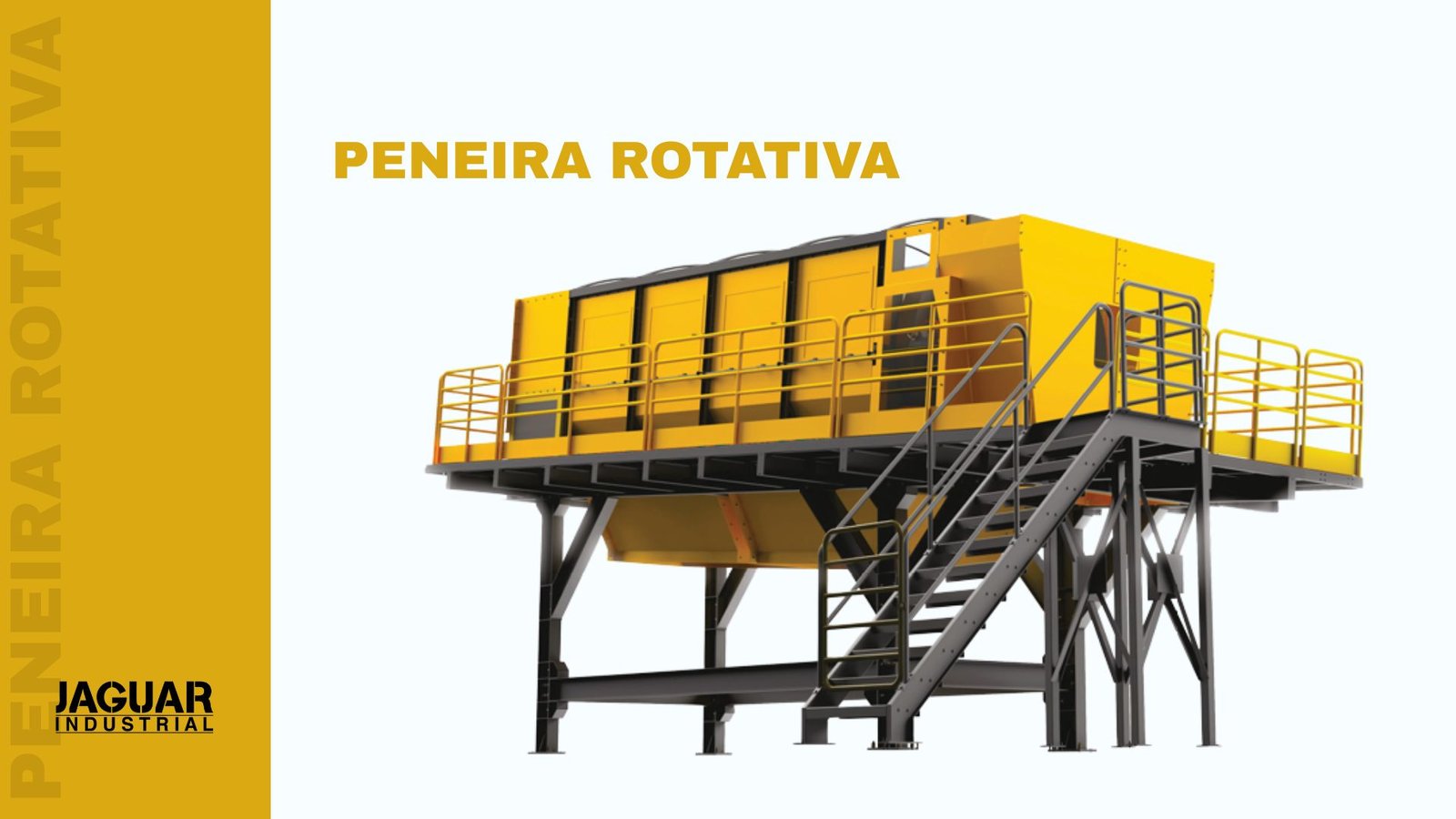
The trommel screen is a particle size separation machine based on the slow rotation of a perforated cylinder. Material is fed at one end; particles smaller than the screen opening fall by gravity; oversize material continues to the outlet.
Operating Principle
- Internal flights lift and tumble material during rotation, exposing all particles to the screening surface
- Rotation speed: 6 to 20 RPM, sized for adequate residence time without excessive degradation
- Screening configuration: defined at project level per application. Plate thickness:
- 6 mm: compost refining
- 10 mm: MSW and packaging
- 15 mm: construction and demolition waste (C&D)
Applications covered
- MSW: pre-classification of the fine fraction (organics/inerts) from the recyclable fraction (plastics, paper, metals)
- RDF: removal of the fine fraction (sand, glass, inerts) with low calorific value; oversize directed to secondary shredding
- Composting: separation of mature compost from larger contaminants and uncomposted particles; automatic cleaning by brushing
- C&D waste: classification of recycled aggregates into particle size ranges for paving, concrete and landfills
- Commercial and industrial waste: contaminant separation and size classification
- Biomass and wood: separation of fine fractions from larger ones for composting, pellets or energy recovery
Technical Features
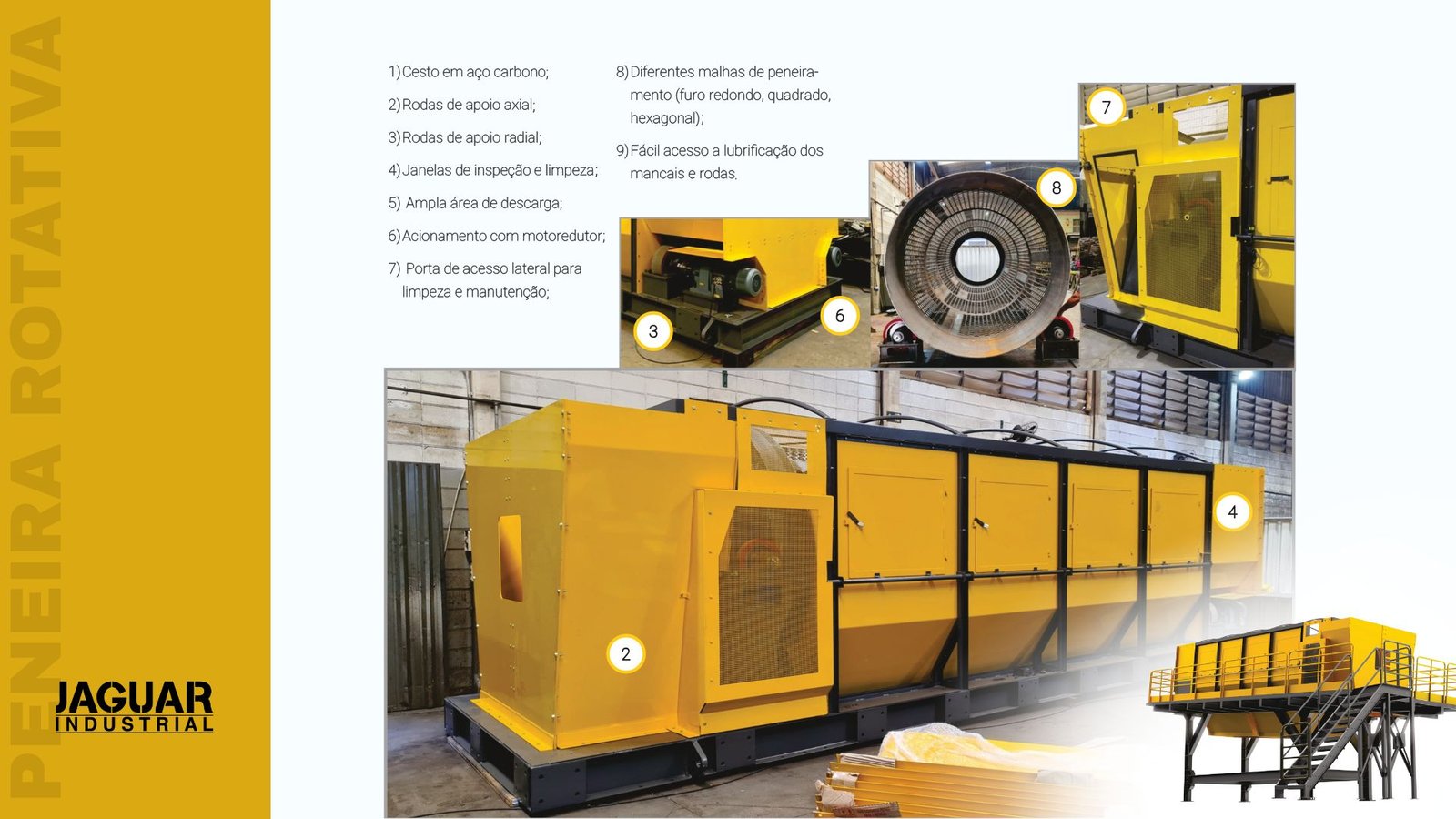
- High-strength steel structure
- Heavy-duty bearings
- High-efficiency gearmotor drive; larger models driven by support wheels
- Low energy consumption from slow rotation
- Safety system on all access points to the interior of the trommel
- Options: dust extraction point, bag opener, anti-strap system, internal lighting
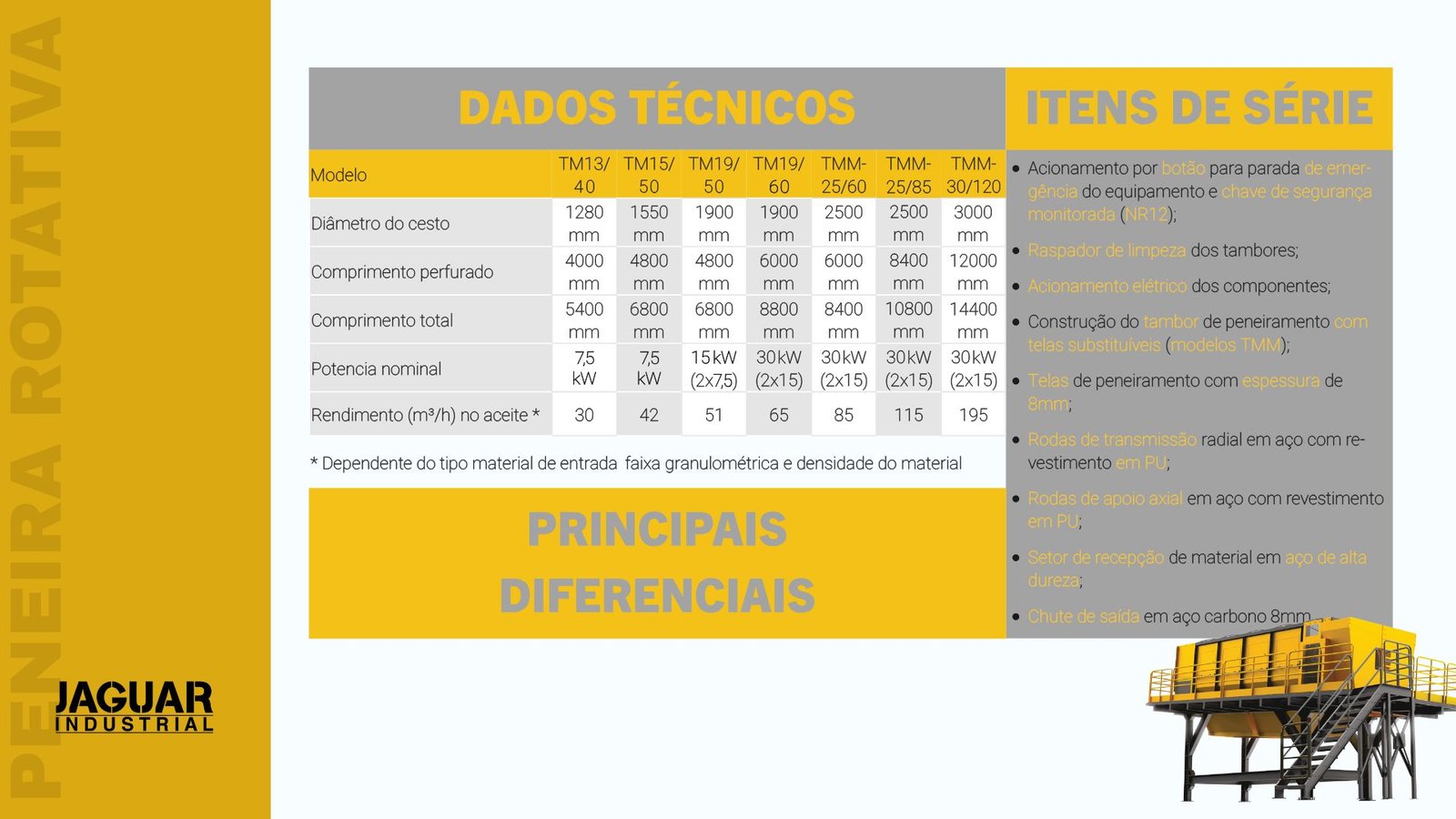
Model Range - TM Series
| Model | Diameter (mm) | Screening Length (mm) | Total Length (mm) | Power (kW) | Throughput (m3/h) | Feed Conveyor |
|---|---|---|---|---|---|---|
| TM13/40 | 1,280 | 4,000 | 5,400 | 7.5 | 30.6 | 900 mm |
| TM15/50 | 1,550 | 4,800 | 6,800 | 7.5 | 42.1 | 1,220 mm |
| TM19/50 | 1,900 | 4,800 | 6,800 | 15 (2 x 7.5) | 51.6 | 1,220 mm |
| TM19/60 | 1,900 | 6,000 | 8,800 | 15 (2 x 7.5) | 64.5 | 1,220 mm |
| TMM-25/60 | 2,500 | 6,000 | 8,400 | 30 (2 x 15) | 84.8 | 1,520 mm |
| TMM-25/85 | 2,500 | 8,400 | 10,800 | 30 (2 x 15) | 115.5 | 1,520 mm |
| TMM-30/120 | 3,000 | 12,000 | 14,400 | 30 (2 x 15) | 197.9 | 1,520 mm |
Reference throughputs for MSW with 80% screening efficiency. Actual values depend on material, moisture, screen and operating conditions.
Special Configurations
- C&D waste: 15 mm plates, optionally rubber-lined (less wear and noise)
- Refining: 6 mm plates with automatic brush cleaning
- Dual: two screening stages in a single unit, separating three particle size fractions
Frequently Asked Questions
What is a trommel screen used for? A trommel screen (or trommel rotary screen) is a particle size separation machine based on slow rotation of a perforated cylinder. Material is fed at one end: particles smaller than the screen opening fall by gravity, while oversize material continues to the outlet. It is used to classify MSW, RDF, compost, C&D waste, commercial and industrial waste, biomass and wood.
What is particle size classification? It is the separation of material into particle size ranges. In the trommel rotary screen, separation is defined by the opening of the screens on the drum: each passing or retained fraction goes to a specific destination, for example fine organics/inerts, recyclables or aggregates by size range.
What determines the screening opening? The screening opening is defined at project level according to the application and the material to classify. Plate thickness follows the application: 6 mm for compost refining, 10 mm for MSW and packaging, and 15 mm for C&D waste.
Where does the trommel rotary screen fit in the processing line? The trommel rotary screen is the classification stage after sorting and shredding. In C&D lines, it separates aggregates into particle size ranges (sand, fine gravel, crushed stone) after crushing; in MSW and RDF processing, it removes the fine, low-calorific-value fraction before downstream stages. A manual sorting station operates upstream and removes wood, metals, plastics and gypsum before classification.
How do I choose the right model? The choice depends on volume and material type. The TM Series models cover reference throughputs from 30.6 to 197.9 m³/h (for MSW at 80% screening efficiency); actual values depend on material, moisture, screen and operating conditions. For C&D waste there are configurations with 15 mm plates, optionally rubber-lined; for compost refining, 6 mm plates with automatic brush cleaning.
Applications
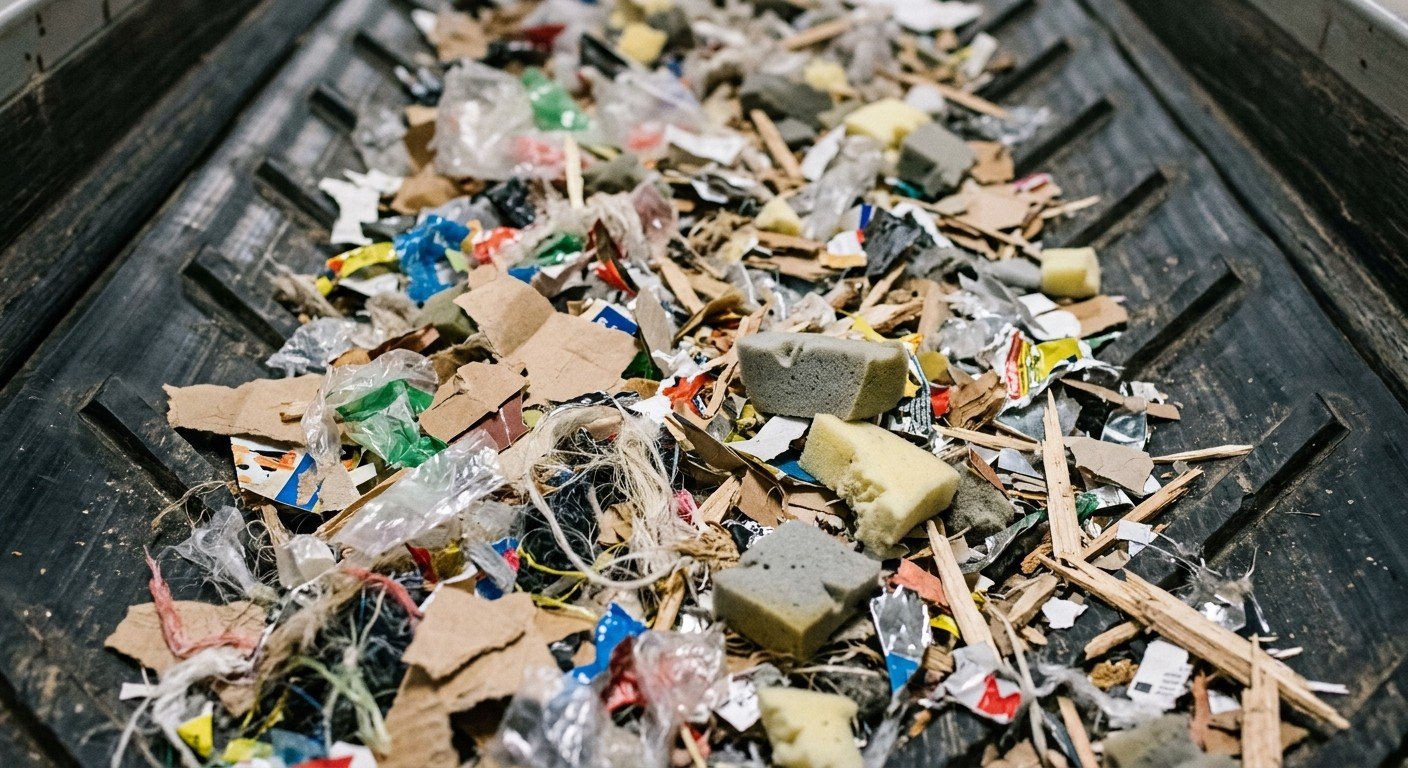
RDF – Refuse Derived Fuel
RDF production for co-processing in cement plants. NBR 16849:2020.
Learn more →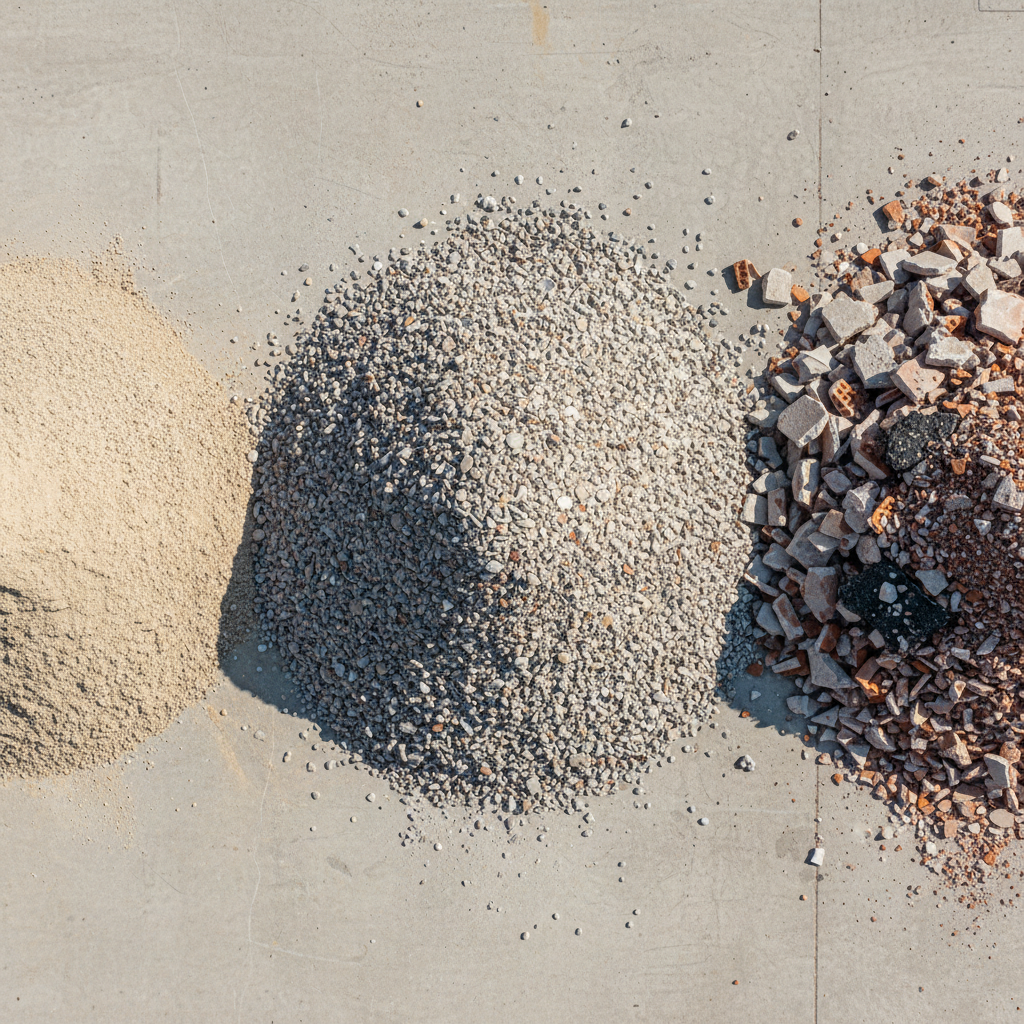
C&D Waste – Construction and Demolition
Recycled aggregates NBR 15115/15116.
Learn more →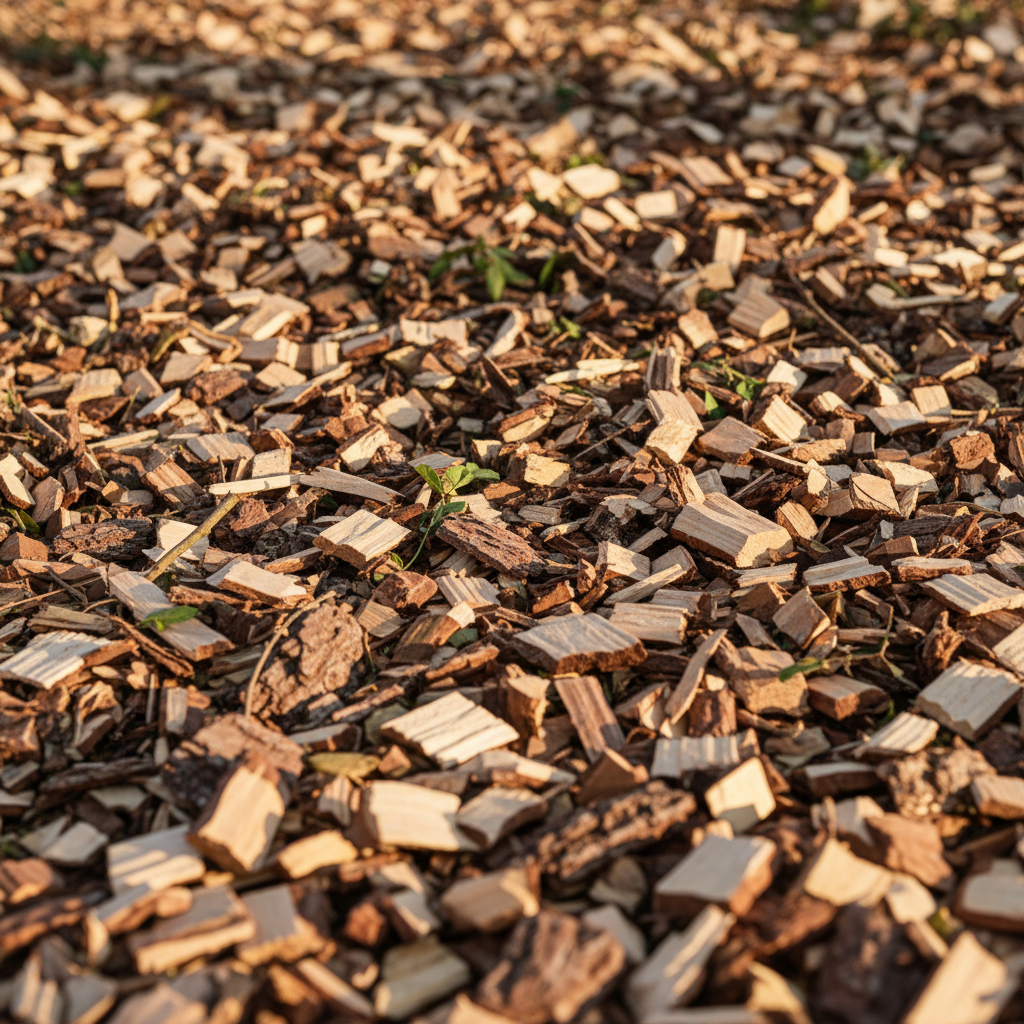
Biomass and Urban Pruning
PR4000/PR5000 for materials with soil and rocks. 50-200 mm chips.
Learn more →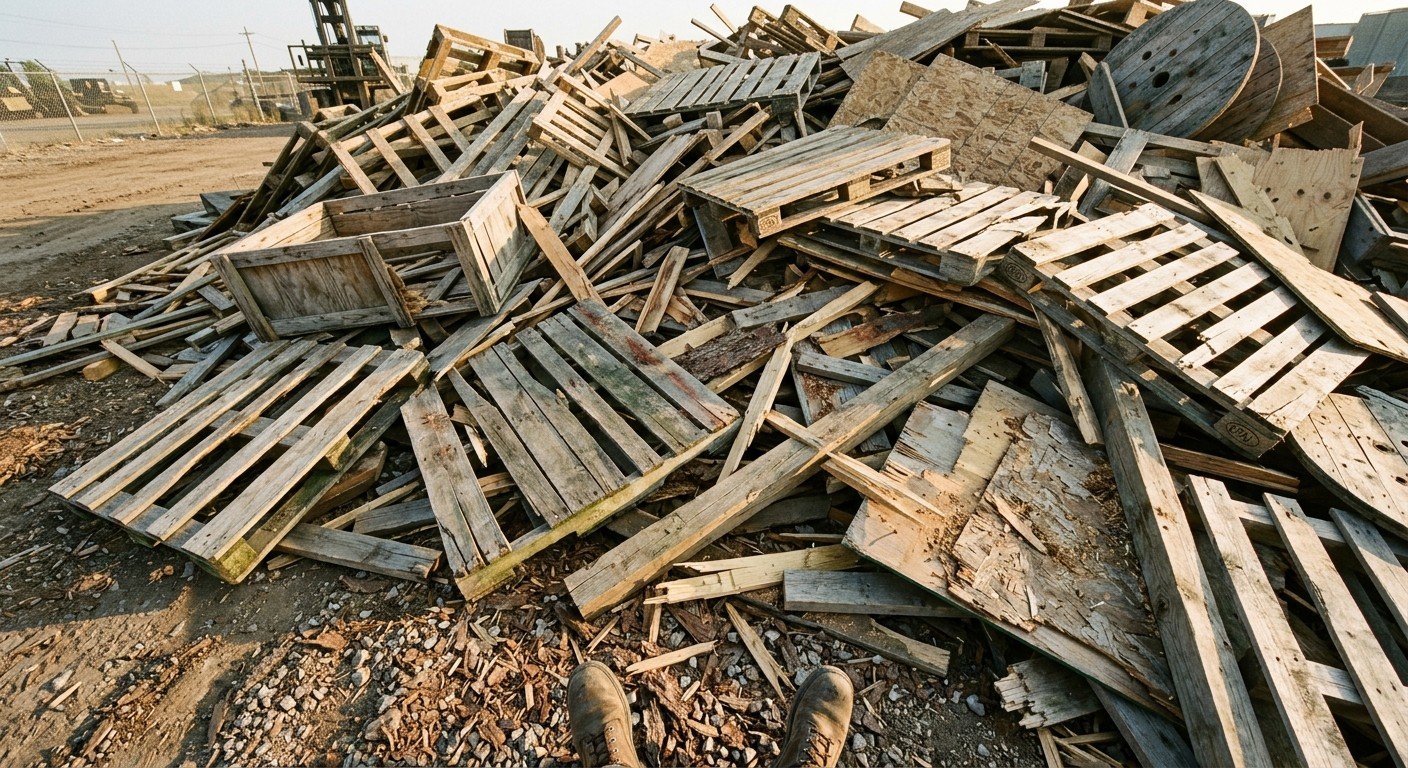
Wood Waste Processing
Biomass, pellets, MDF and mulch with PR + RAPTOR + Classifier.
Learn more →